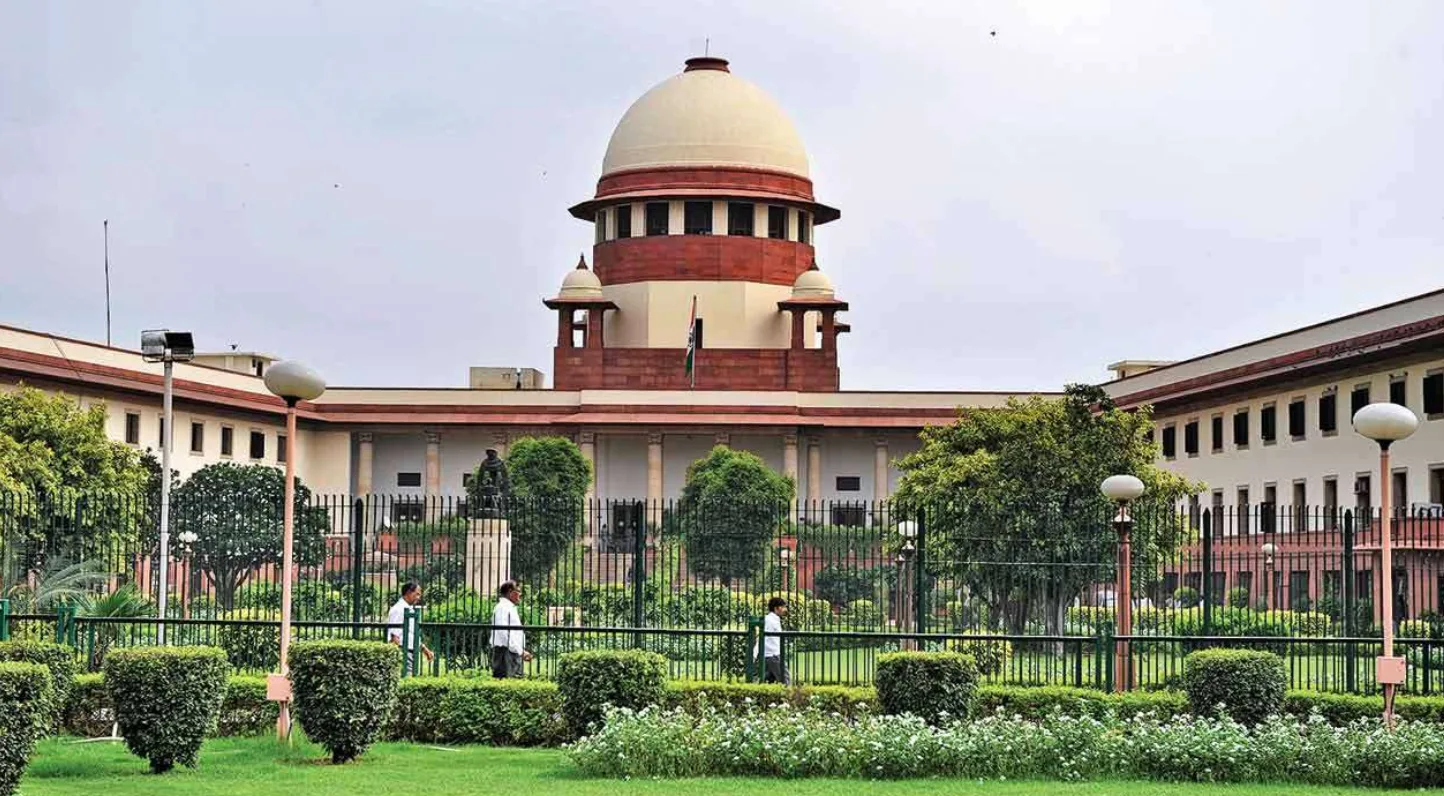
Supreme Court Rejects Tarun Tejpal's Plea to Suspend Sentence in 2013 Rape Case
The Supreme Court of India has rejected former Tehelka editor-in-chief Tarun Tejpal's application seeking suspension of his 10-year rigorous imprisonment sentence in connection with the 2013 rape case involving a junior woman colleague. The decision was delivered on November 6, 2026, by a bench comprising Justice M. M. Sundresh and Justice Prasanna B. Varale.
Supreme Court's Decision
While dismissing the application, the Supreme Court observed that it was not inclined to suspend the sentence on a prima facie assessment of the material available on record. The bench considered the prosecution witnesses' evidence alongside emails and text messages exchanged between Tejpal and the survivor.
The Court made it clear that it was examining the limited question of suspension of sentence and was not finally deciding the merits of the pending criminal appeal.
Arguments Before the Court
Appearing for Tejpal, Senior Advocate Kapil Sibal challenged the prosecution's version of events and raised questions concerning the elevator's functioning, CCTV footage and the evidence presented during the proceedings. The defence also argued that the sentence should be suspended while the appeal was pending.
Opposing the application, Solicitor General Tushar Mehta, appearing for the State of Goa, relied upon the prosecution evidence, including messages and an apology email sent by Tejpal to the survivor. The State argued that the material on record did not justify granting suspension of sentence.
Background of the Case
The case dates back to November 2013, when a junior woman journalist accused Tejpal of sexually assaulting her inside a hotel elevator in Goa during an event organised by Tehelka magazine.
In 2021, a trial court acquitted Tejpal. However, the Bombay High Court overturned the acquittal on August 6, 2026, convicted him of rape and other offences under the Indian Penal Code, and sentenced him to 10 years of rigorous imprisonment.
Goa Government Seeks Enhancement of Sentence
The State of Goa has separately approached the Supreme Court seeking enhancement of the sentence, contending that the punishment imposed by the High Court was inadequate in view of the seriousness of the offences.
Legal Significance
The development highlights the distinction between suspension of sentence and the final adjudication of a criminal appeal. The Supreme Court's refusal to grant interim relief means that Tejpal's 10-year sentence will remain operative while his challenge to the conviction proceeds.
The matter also brings attention to the judicial assessment of evidence in sexual-offence cases, particularly the relevance of contemporaneous communications and the approach courts adopt when considering applications for suspension of sentence.